14 - knowing when you have a place at the table
Something that I consider one of my biggest, "I'm going to start getting really violent and you won't like it" grievances happens a lot when it comes to discussions about culture and how we interact with them.
You've probably seen the debate every once in a while. Hell, recently there's been an entire discourse spanning multiple social media and thinkpieces about using "Lunar New Year" vs "Chinese New Year". But maybe a more appropriate example that has everything to do with this mini vent post is debating on whether an outfit like this is orientalist or not:
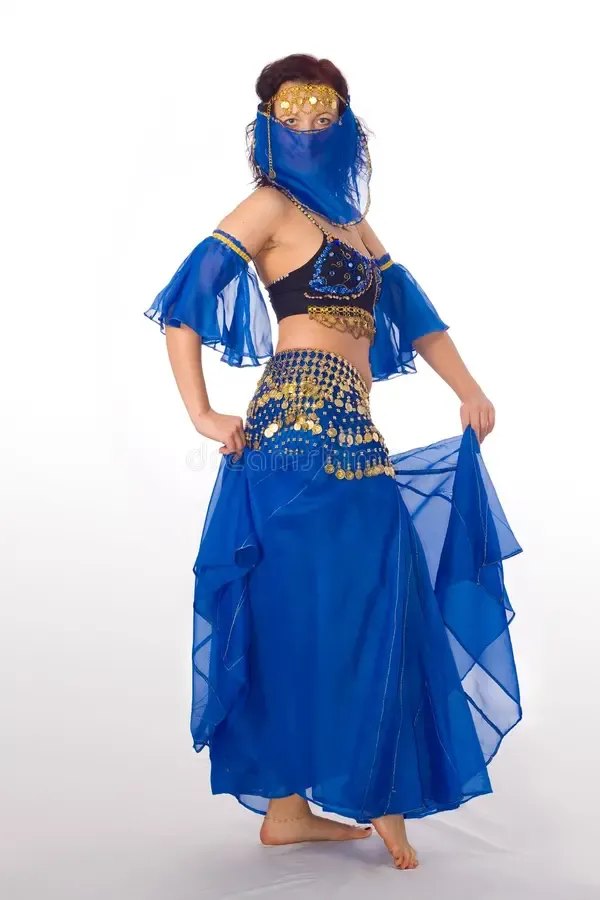
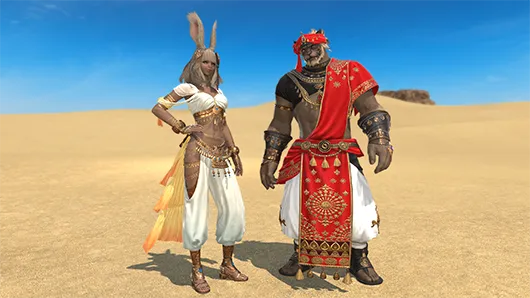

People of color aren't always going to agree with each other about things. This is especially apparent between diaspora and mainland POC. For this specific example, I've seen SWANA people saying they love this outfit and consider it a part of their culture or a reinvention/reclaimation of it. Many more think such costumes are a mockery of their culture and therefore harmful - stemming from the immense damage that the Orientalist movement had done to the people of West Asia as a whole, and that the work to reclaim it is an immense undertaking. That doesn't even begin to address how most of the time the media would absolutely mash together SWANA and South Asian cultures together (as so much of Japanese media are wont to do).
Here's where my grief comes in: for some reason, people who aren't SWANA (most usually white people, but I've also seen other Asian people doing this too for this specific instance) think their one Arab friend say "oh, this is fine" is justification to attack, harass and bully other SWANA people into silence by using their friend's word as a weapon. In the same vein, overzealous non-SWANA people would use their friends' concerns to also silence and harass other SWANA people into silence, insinuating them to be ethnic traitors.
It's infuriating to see, being Southeast Asian myself. Our cultures are ours to do with and share in ways that mean a lot to us. If today we're debating about the sexualization of the kebaya, for example, and I tell you "hey, this is my culture - if it's being represented at all that's good for me", that's not and will never be (should never be, even!!!) permission for you to use my words against my own people who don't agree just because you want to justify doing whatever you want with our culture. This annoying phenomenon often crops up whenever we talk about traditional clothing and representation of minorities in media are most apparent (consider the Hollywood/western/Japanese idea of the cheongsam as some alluring, "sexy" minidress with a high thigh slit & a cleavage window, vs what it actually represents in China and Hong Kong). And every time, to the annoyance of all involved, people who don't belong in that culture will use our words to bludgeon our own people into silence. If it isn't some gooner white guy who's offended that he's told that it's a little racist to dress his catgirl in the belly dancer fit, it's some white zoomer that thinks attacking any poc that are excited about the same belly dancer fit will earn them woke points.
If you don't belong to the culture in any capacity, you have NO place at the discussion table. You don't get to decide to tell us - the people to whom that particular culture belongs to - what is or isn't offensive, what can or can't be shared, and so on. This doesn't just apply to this issue specifically: it applies to any discussion about cultural appropriation & sharing where the opinion of two groups in a shared culture conflict with each other.
Learn that sometimes it's not your turn to talk.